Modern travel often involves visiting several destinations within a short period. Travellers frequently create packed itineraries, move between cities every few days, and try to cover as many attractions as possible during their holidays. While this approach can be exciting, it can also become exhausting.
A different travel philosophy is gaining attention: slow travel. Instead of rushing from one tourist attraction to another, slow travel encourages people to spend more time in fewer destinations and experience places at a deeper level.
1. More Time to Experience Local Culture
One of the biggest advantages of slow travel is the opportunity to understand local culture.
When travellers spend only one or two days in a destination, they usually focus on famous attractions. However, staying longer allows them to explore neighbourhoods, visit local markets, attend cultural events, and understand everyday traditions.
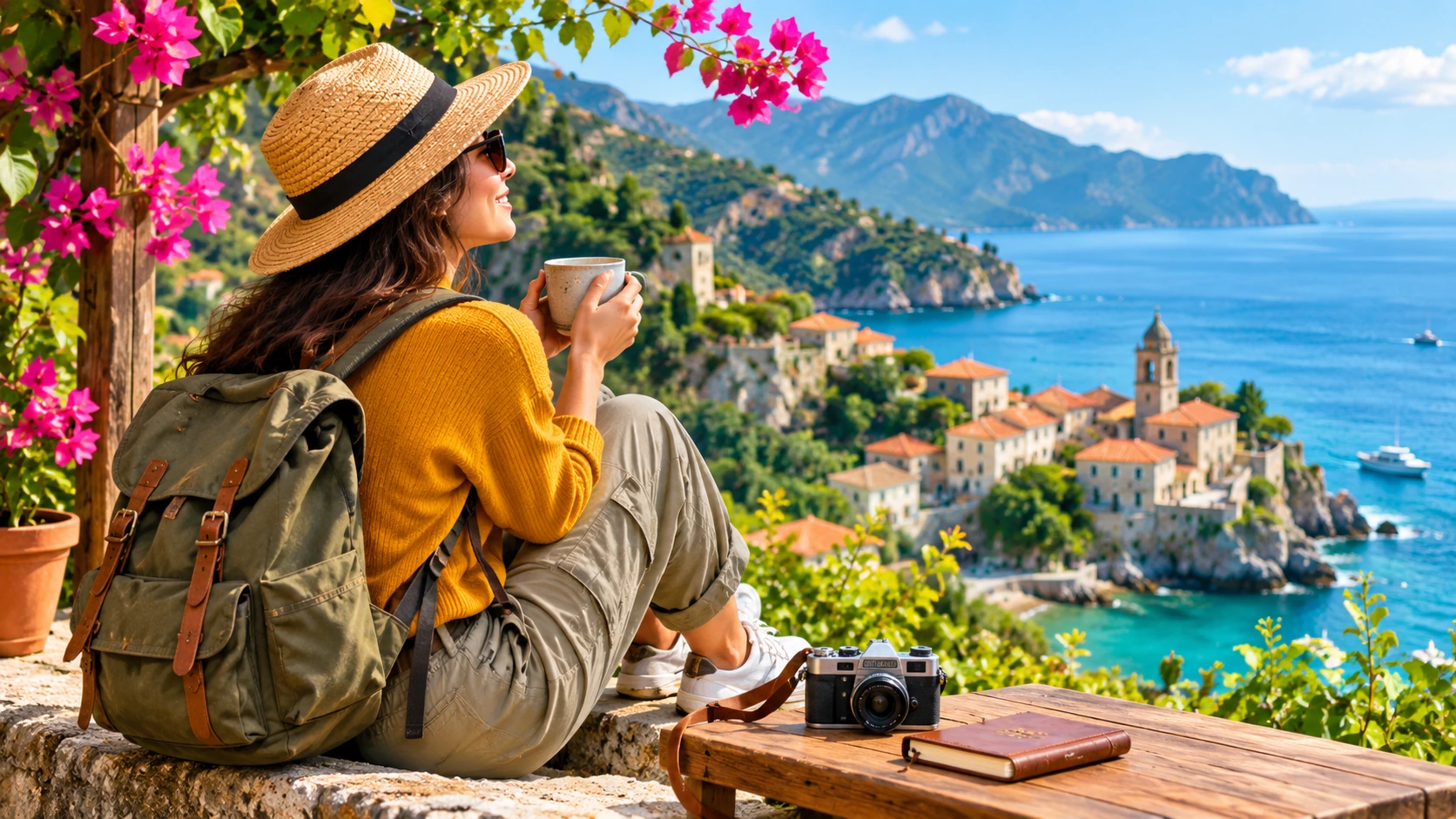
For example, someone visiting Italy for an extended period might spend time in a small Tuscan village, enjoy traditional meals, and interact with local residents.
These experiences often provide a more meaningful understanding of a destination than visiting multiple attractions in a single day.
2. Less Travel Stress and Better Relaxation
Traditional holidays can sometimes feel like busy schedules rather than relaxing breaks.
Waking up early, catching trains, packing luggage, checking into hotels, and following tight sightseeing plans can become stressful.
Slow travel reduces this pressure by allowing travellers to maintain a more relaxed routine.
Instead of trying to visit ten attractions in three days, visitors can choose a few meaningful activities and enjoy them without constantly watching the clock.
This approach is particularly appealing to people who want their holidays to provide genuine rest and relaxation.
3. Discovering Hidden Places Beyond Tourist Attractions
Spending more time in one destination makes it easier to discover places that are not always included in popular travel guides.
These might include family-owned restaurants, small bookstores, quiet beaches, traditional cafes, local art studios, and peaceful neighbourhoods.
Travellers may discover beautiful locations simply by walking around without following a strict itinerary.
For example, spending a week in Portugal rather than rushing through several cities can provide opportunities to explore smaller coastal towns and enjoy their local atmosphere.
Such discoveries often become some of the most memorable parts of a journey.
4. A More Affordable Way to Travel
Slow travel can also help reduce holiday expenses.
Frequent transportation between cities involves additional costs for flights, trains, taxis, and luggage handling.
By staying longer in one place, travellers can avoid repeated transportation expenses.
Long-term accommodation options may also offer weekly or monthly discounts. Cooking some meals instead of eating out every day can further reduce spending.
This makes slow travel particularly attractive to digital nomads, remote workers, students, and travellers planning longer international trips.
However, accommodation and living costs vary depending on the destination and length of stay.
5. Better Connections With Local People
Travel becomes more meaningful when people have opportunities to interact with local communities.
Slow travel encourages visitors to spend time in neighbourhood cafes, attend community events, visit traditional markets, and participate in local activities.
These interactions can introduce travellers to different perspectives, customs, and lifestyles.
Learning a few words in the local language can also make everyday conversations more enjoyable.
Rather than experiencing a destination only as a tourist, visitors get an opportunity to understand how people live, work, and celebrate.
6. More Sustainable Travel Choices
Sustainable tourism is becoming an important consideration for travellers and destination authorities.
Slow travel can support more responsible tourism by encouraging visitors to spend more time in local communities and rely less on frequent transportation.
Travellers can support independent businesses, local restaurants, small accommodation providers, and regional artisans.
Choosing trains, buses, bicycles, and walking where practical can also reduce the environmental impact of a journey.
Although slow travel is not automatically sustainable, making thoughtful transportation and spending choices can help reduce pressure on popular tourist destinations.
7. More Opportunities for Personal Growth
Travelling slowly can provide opportunities for personal development.
Living in a different environment for an extended period encourages people to become more independent, adaptable, and comfortable with unfamiliar situations.
They may learn new languages, explore different food traditions, develop new interests, or understand different cultural perspectives.
Spending time away from familiar routines can also provide an opportunity to reflect, discover personal interests, and develop a fresh outlook on life.
These experiences can continue to influence people long after their holidays have ended.
8. Ideal for Remote Workers and Digital Nomads
The growth of remote work has made slow travel more practical for many professionals.
People who can work online are increasingly exploring opportunities to live temporarily in different countries while continuing their careers.
Destinations such as Bali, Chiang Mai, Lisbon, and Medellin attract remote workers because of their international communities, accommodation options, and working spaces.
Instead of taking a short holiday, digital nomads can spend several weeks or months experiencing a destination.
However, they must consider visa conditions, work permissions, internet reliability, insurance, and taxation requirements before making long-term arrangements.
9. Enjoying Food and Everyday Experiences
Food is one of the most enjoyable ways to understand a new culture.
Slow travel allows people to explore regional dishes, visit neighbourhood bakeries, attend cooking classes, and learn about traditional ingredients.
Instead of eating at restaurants selected only for tourist popularity, visitors can discover places recommended by residents.
They may also experience local celebrations, seasonal food festivals, and traditional cooking methods.
These everyday activities make travelling feel more personal and memorable.
10. How to Start Planning a Slow Travel Holiday
Starting a slow travel journey does not require months of preparation.
First, choose a destination that offers enough attractions and activities to enjoy over an extended stay.
Next, research accommodation in convenient neighbourhoods and check transportation facilities.
Create a flexible itinerary with a few planned activities while leaving enough time for spontaneous exploration.
Try local food, support independent businesses, and interact respectfully with residents.
Most importantly, avoid treating every day as a checklist of attractions. Allow yourself to enjoy ordinary moments, whether that means sitting at a cafe, watching a sunset, or walking through a quiet neighbourhood.