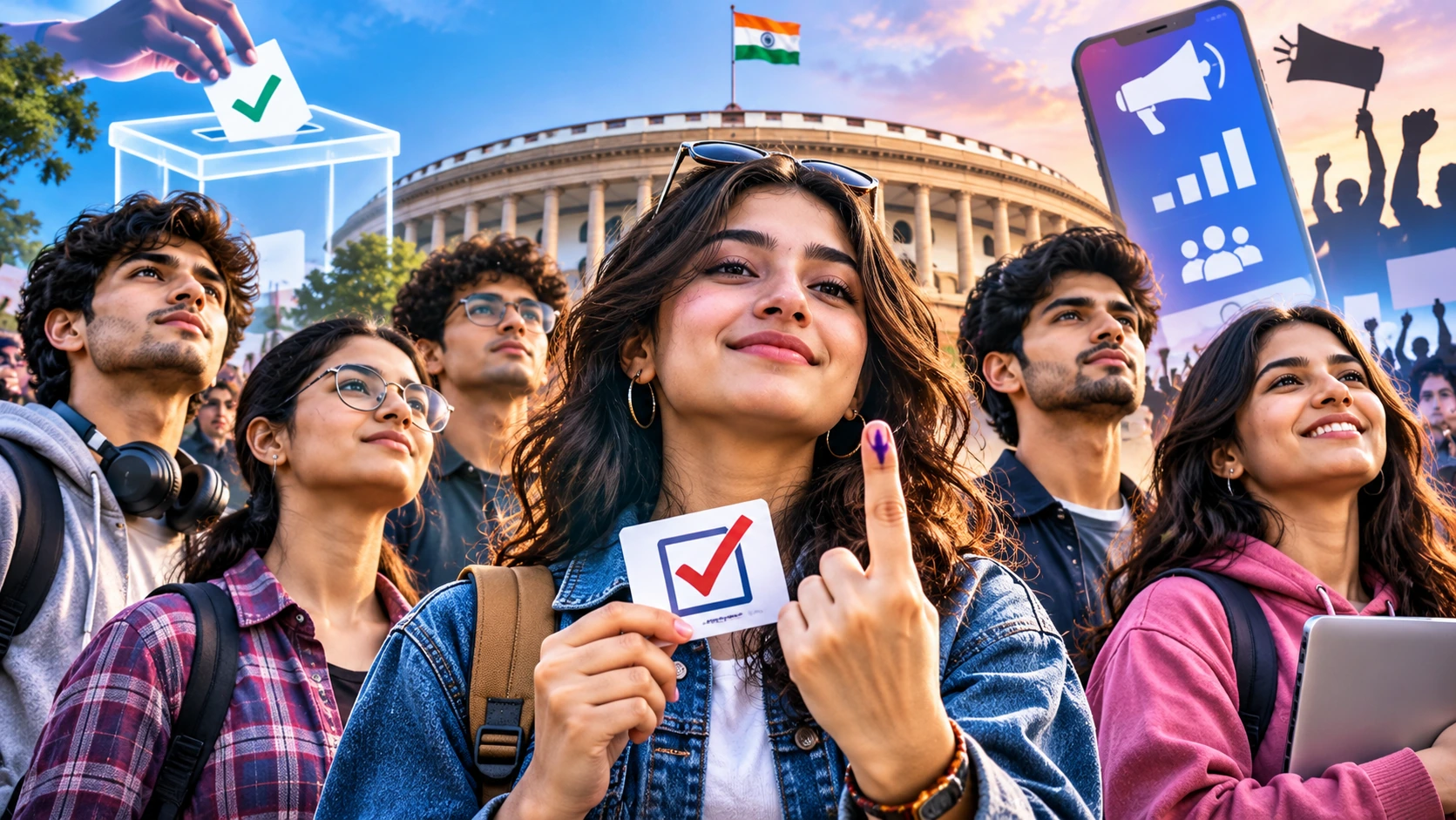
Young voters are becoming an increasingly important force in global politics. With greater access to education, digital technology, and international information, younger generations are developing new expectations from political leaders and governments.
They are interested not only in traditional political issues but also in climate change, employment opportunities, education, technological development, equality, and economic stability.
As younger generations participate in elections and public discussions, they influence political priorities and encourage leaders to consider the needs of future generations. Their involvement can play a significant role in shaping the direction of democracy worldwide.
1. Young Voters Bring New Perspectives to Politics
Every generation experiences different social and economic conditions. Young people entering adulthood today face challenges related to changing job markets, rising living costs, technological disruption, and environmental concerns.
These experiences influence the issues they expect political parties to address.
For example, younger voters may prioritise affordable education, better employment opportunities, digital infrastructure, mental health awareness, and accessible housing.
Their expectations encourage political organisations to develop policies that address modern challenges rather than focusing exclusively on traditional political agendas.
2. Social Media Is Encouraging Political Awareness
Social media has changed how young people learn about political developments.
Platforms such as Instagram, YouTube, Facebook, and X allow users to follow political discussions, watch interviews, access news updates, and learn about government policies.
Political information is no longer limited to television debates or newspapers. Young people can explore different viewpoints and participate in discussions from their smartphones.
Social media also allows young citizens to organise awareness campaigns, support social causes, and communicate directly with political representatives.
However, the spread of fake news and misleading information makes digital awareness and fact-checking essential.
3. Climate Change Is Becoming a Major Political Issue
Environmental protection is one of the important concerns influencing younger generations.
Many young people believe that decisions made today will directly affect their future living conditions. Issues such as rising temperatures, air pollution, water shortages, deforestation, and extreme weather events are therefore becoming important political topics.
Young voters may support leaders who introduce stronger environmental regulations, encourage renewable energy, improve public transportation, and promote sustainable development.
Their participation can push governments to treat climate change as a long-term policy priority rather than a temporary campaign issue.
4. Young Voters Can Influence Election Results
In countries with large youth populations, young voters can have a significant influence on election outcomes.
When young citizens participate in large numbers, their collective preferences can affect which candidates and political parties receive public support.
Political organisations increasingly recognise the importance of communicating with younger audiences through digital campaigns, public discussions, and youth-focused policy proposals.
In countries such as India, where a substantial proportion of the population is young, youth participation is especially important for democratic development.
However, young voters are not a single political group. Their opinions differ according to education, employment, location, economic circumstances, and personal experiences.
5. Encouraging Accountability and Transparency
Young generations often expect greater transparency from public institutions.
They want governments to explain their decisions, use public funds responsibly, address corruption, and provide clear information about development projects.
Digital platforms make it easier for citizens to question political statements, share evidence, and highlight public concerns.
Young voters can use these opportunities to demand accountability from elected representatives.
Their participation also encourages political leaders to communicate more openly and respond to public expectations.
6. Young People Are Supporting Social Change
Young voters are also influencing political conversations around equality, education, public safety, employment rights, and social inclusion.
They often participate in community initiatives, peaceful demonstrations, student organisations, and awareness campaigns.
These activities help bring attention to issues that may not receive sufficient attention in mainstream political discussions.
In different parts of the world, youth-led movements have demonstrated how organised participation can influence public debate and encourage political institutions to reconsider existing policies.
Such involvement shows that political participation extends beyond casting a vote during elections.
7. Challenges That Prevent Young Voters from Participating
Despite their growing influence, young people face several barriers to political participation.
Some may feel that political parties do not understand their concerns or that their individual vote cannot make a difference.
Others may lack access to reliable political information or have limited knowledge of election procedures.
Economic pressures, migration, complicated voter registration processes, and political disillusionment can also reduce participation.
Governments, educational institutions, and election authorities can help by improving civic education, simplifying voter registration, and making political information more accessible.
Political parties should also create meaningful opportunities for young people to participate in policy discussions and leadership positions.
8. The Future of Youth Participation in Global Politics
The future of politics will increasingly depend on how effectively younger generations participate in democratic institutions.
As technology develops, young citizens may use digital platforms, online consultations, and civic engagement tools to communicate their expectations.
Their involvement can encourage political leaders to focus on long-term challenges such as sustainable development, economic opportunities, technological innovation, and education reform.
However, meaningful participation requires more than online discussions. Voting, community involvement, informed decision-making, and constructive dialogue remain essential.